

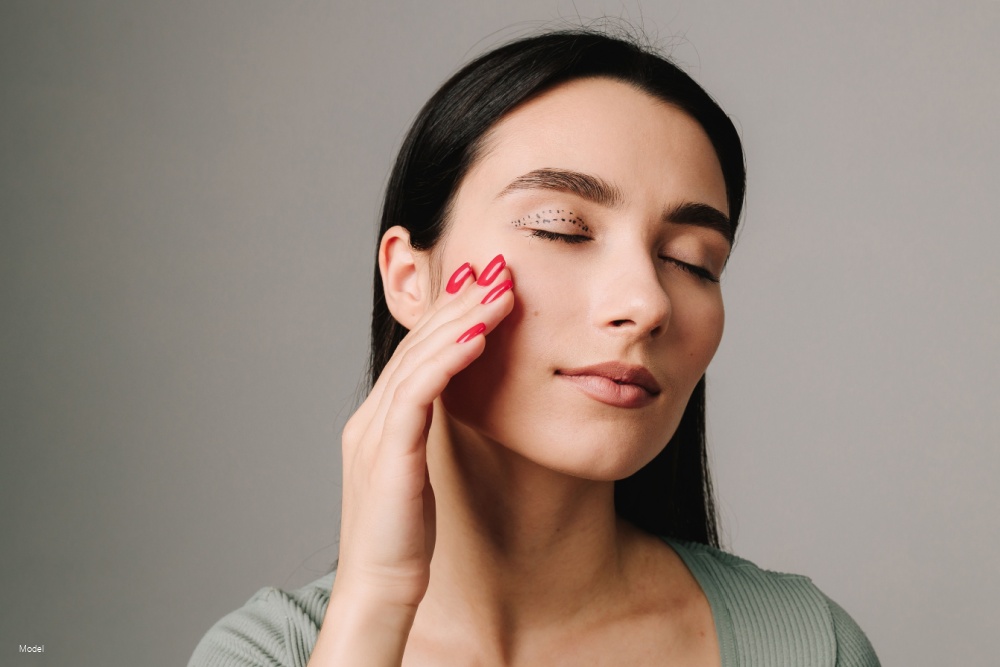
Cosmetic eyelid surgery, also known as blepharoplasty, rejuvenates the upper and lower eyelids by removing excess skin and fat while tightening surrounding tissue. Many patients wonder whether they qualify for this procedure. Candidacy depends on factors such as age, skin elasticity, overall health, and aesthetic goals. Understanding these requirements helps you determine if cosmetic eyelid surgery aligns with your needs.
6 Min. Read:
What Is Cosmetic Eyelid Surgery?
Cosmetic eyelid surgery improves the appearance of sagging upper lids, puffy lower lids, and under-eye bags. Common concerns addressed by eyelid surgery include both cosmetic and functional issues. Surgeons remove excess skin, reposition fat deposits, and refine eyelid contours to create a more youthful, alert look.
The American Society of Plastic Surgeons reports that eyelid surgery consistently ranks among the most requested facial cosmetic procedures in the United States. Many patients choose blepharoplasty because the eyes often show early signs of aging, such as droopy eyelids, due to thin skin and constant muscle movement.
While the procedure focuses on aesthetics, some patients also experience improved peripheral vision when upper eyelid sagging obstructs their line of sight. Lower eyelid blepharoplasty specifically targets puffiness and excess skin beneath the eyes.
Age and Skin Changes
Most candidates for cosmetic eyelid surgery fall between their late 30s and 70s. Aging causes collagen and elastin levels to decline, which leads to skin laxity and drooping. Genetics also influences how early these changes appear.
Ideal candidates for eyelid surgery are healthy individuals with no serious eye conditions, who have specific eyelid concerns and maintain realistic expectations about the results.
You may qualify for blepharoplasty if you notice:
- Loose or sagging upper eyelid skin
- Puffiness caused by fat deposits
- Under-eye bags that persist despite rest
- A tired or heavy appearance
Functional concerns, such as impaired vision or difficulty with daily activities due to sagging skin, may also make someone a candidate for eyelid surgery.
You do not need to reach a specific age to qualify. Surgeons evaluate skin condition and structural anatomy rather than relying solely on age.
Overall Health Requirements
Candidates for eyelid surgery should be in good health, as this is essential for safe surgery and optimal results. Qualified candidates should:
- Be non smokers, as non smokers are preferred due to better healing and fewer complications
- Avoid smoking or commit to quitting before surgery
- Maintain stable blood pressure
- Have no uncontrolled chronic conditions
- Possess realistic expectations
Certain medical issues, such as uncontrolled diabetes, severe dry eye syndrome, thyroid disorders, bleeding conditions, or specific eye conditions, may affect eligibility for eyelid surgery and require additional evaluation. Surgeons review medical history thoroughly to ensure safety.
A comprehensive consultation allows your surgeon to determine whether cosmetic eyelid surgery fits your health profile. Individuals with severe eye conditions may require alternative or reconstructive treatments rather than cosmetic eyelid surgery.
Realistic Expectations and Emotional Readiness
Successful outcomes depend not only on physical factors but also on mindset. Strong candidates understand what eyelid surgery can and cannot accomplish. Blepharoplasty enhances eyelid contours and reduces excess tissue, but it does not eliminate crow’s feet, lift the brows significantly, or stop the aging process entirely.
Clear communication about goals ensures satisfaction. Patients who seek subtle, natural improvement typically report the highest satisfaction rates. Peer-reviewed research consistently shows high patient approval following properly planned blepharoplasty procedures.
Upper vs. Lower Eyelid Surgery Qualification
Qualification criteria vary slightly depending on whether you pursue upper or lower eyelid surgery.
Some patients with significant functional impairment or medical issues may require reconstructive surgery instead of cosmetic procedures.
Upper Eyelid Surgery Candidates
You may qualify if you experience:
- Hooded upper lids
- Skin resting on the eyelashes
- Makeup smudging due to excess skin
- Visual obstruction from drooping tissue
For upper eyelid surgery, incisions are typically made within the natural crease of the eyelid, which helps to conceal any scarring and ensures a natural-looking result.
Lower Eyelid Surgery Candidates
You may qualify if you notice:
- Persistent under-eye bags
- Loose lower lid skin
- Fine wrinkling beneath the eyes
- A hollow or shadowed appearance
For lower eyelid surgery, incisions are often placed within the natural fold of the eyelid to achieve discreet, aesthetically pleasing results.
Some patients qualify for both procedures simultaneously. Combining upper and lower blepharoplasty often creates balanced, harmonious results.
Preparing for a Brow Lift and Eyelid Procedure
Preparing for a brow lift and eyelid procedure is a crucial step in achieving the best possible results from your cosmetic eyelid surgery. Whether you are considering upper blepharoplasty, lower blepharoplasty, or a combined approach with a forehead lift, thoughtful preparation can significantly improve your experience and outcome.
Before your surgical procedure, your plastic surgeon will conduct a thorough evaluation of your overall health and review any medical conditions, such as heart disease, that could impact your candidacy for eyelid surgery. They will carefully assess your eyelids, upper and lower lids, and forehead to determine the most effective way to address sagging upper eyelids, drooping eyebrows, excess skin, and excess fat. This personalized approach ensures that your unique concerns—such as under-eye bags, loose skin, or drooping eyelids—are addressed with precision.
As a good candidate for eyelid surgery, it’s important to have realistic expectations about what the blepharoplasty procedure can achieve. Open communication with your surgeon allows you to discuss your goals, ask questions, and understand the potential risks and benefits of cosmetic surgery. Your surgeon will guide you through the process, helping you determine the best plan for your upper and lower eyelids.
In the weeks leading up to your procedure, you may be asked to stop taking certain medications, especially blood thinners, to reduce the risk of bleeding. Avoiding smoking is essential, as it can impair healing and increase the likelihood of complications. Your surgeon may also recommend preparing cold compresses to help manage swelling and bruising after surgery. It’s wise to arrange for a trusted friend or family member to drive you home and stay with you for the first night, as you may experience temporary blurred vision or dizziness following the procedure.
On the day of your surgery, arrive at the surgical facility at the scheduled time, ready for your procedure. The surgical team will perform the necessary steps to remove excess skin, reposition fat, and refine the contours of your upper eyelids, lower eyelids, and brow area. The goal is to significantly improve the appearance of your eye area, reducing visible signs of aging such as puffiness, dark circles, and drooping skin, while enhancing your youthful appearance and, in some cases, improving peripheral vision.
After your procedure, follow your surgeon’s post-operative instructions closely to support proper healing and minimize potential risks. This may include applying cold compresses, keeping your head elevated, and avoiding strenuous activities for several days. By taking these steps, you can help ensure a smooth recovery and enjoy a more well-rested appearance with rejuvenated eyelids and a refreshed overall look.
With careful preparation and the guidance of an experienced surgeon, you can feel confident in your decision to pursue cosmetic eyelid surgery and other facial surgery procedures. Your commitment to the process, combined with your surgeon’s expertise, will help you achieve natural, lasting results that enhance your confidence and quality of life.
Non-Surgical Alternatives vs. Surgery
Patients sometimes ask whether non-surgical treatments can replace eyelid surgery. Injectable fillers, laser resurfacing, and skin tightening devices can improve mild concerns. However, significant excess skin or prominent fat protrusion typically requires surgical correction.
A qualified surgeon evaluates tissue laxity and fat distribution to determine whether surgery offers the most effective solution. Many patients achieve longer-lasting, more dramatic improvements with blepharoplasty than with temporary treatments.
The Importance of a Board-Certified Surgeon
Choosing a qualified, experienced plastic surgeon significantly impacts both safety and results. Eyelid anatomy involves delicate structures, including muscles, fat pads, and tear ducts. Precision ensures natural-looking outcomes without compromising function.
An experienced surgeon performs:
- A detailed facial assessment
- A review of medical history
- A customized surgical plan
- Clear pre- and post-operative guidance
Professional expertise reduces risks such as asymmetry, dry eye complications, or overcorrection.
Want to Learn More About Blepharoplasty in Pasadena, CA?
If you believe you qualify for cosmetic eyelid surgery, schedule a consultation with Dr. Martin O’Toole or Dr. Adam O’Toole at Pasadena Cosmetic Surgery in Pasadena, CA. Drs. Martin and Adam O’Toole combine surgical precision with an artistic eye to deliver refined, natural-looking eyelid rejuvenation. Contact Pasadena Cosmetic Surgery today at (626) 449-8910 or complete the contact form to schedule your consultation and discover how cosmetic eyelid surgery can refresh your appearance and boost your confidence.