

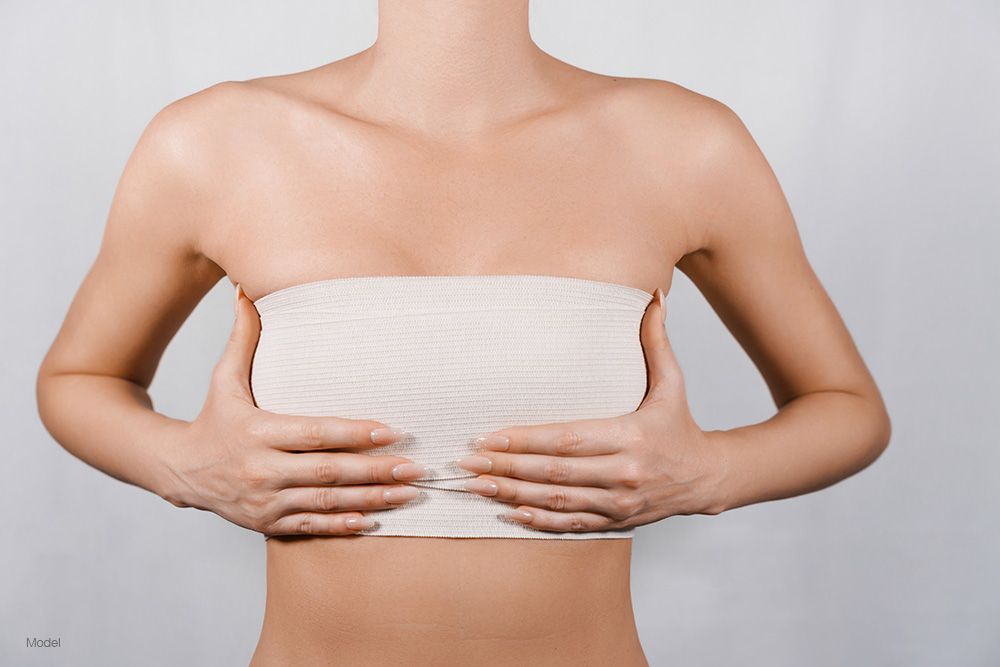
If you are considering breast reduction, you may feel ready for the relief of a smaller breast size, but still feel concerned about visible scarring. That concern is completely understandable. Breast reduction scars are part of the healing process, but with careful surgical planning, good post-operative care, and patience, they typically fade over time.
For many patients, the tradeoff feels worthwhile because breast reduction can reduce the physical and emotional burden of excessive breast tissue. The key is knowing what to expect before surgery, how scars usually mature, and what you can do to support the best possible healing.
Dr. Martin O’Toole and Dr. Adam O’Toole offer breast reduction in Pasadena, CA, for patients who are seeking a more balanced breast size, improved comfort, and a more natural-looking body proportion.
7 Min Read:
Table of Contents
- What Patients Need to Know About Breast Reduction Scars
- Where Breast Reduction Scars Are Usually Located
- How Breast Reduction Scars Change During the Healing Process
- How to Minimize Breast Reduction Scars
- When Breast Reduction Scars Are Worth the Tradeoff
- FAQs About Breast Reduction Scars
What Patients Need to Know About Breast Reduction Scars
Breast reduction requires incisions because the procedure removes excess fatty tissue, glandular tissue, and skin. In many cases, the nipple and areola are also repositioned higher on the breast to create a more lifted and balanced shape.
Because incisions are necessary, scars are expected. The goal is not to promise scar-free surgery but instead to place incisions strategically, close them carefully, and guide your healing so scars become as smooth and discreet as possible.
Most breast reduction scars look more noticeable during the early healing process. They may appear pink, red, raised, firm, or slightly darker than your surrounding skin. Over time, they usually soften and fade.
Your final scar appearance can depend on several factors, including:
- Your natural skin tone and genetics
- The breast reduction technique used
- The amount of tissue removed
- How your body heals
- Whether you smoke or use nicotine
- Sun exposure after surgery
- How closely you follow post-operative instructions
During your consultation, Dr. Martin O’Toole and Dr. Adam O’Toole can explain where your incisions may be placed based on your anatomy, goals, and degree of reduction.
Where Breast Reduction Scars Are Usually Located
The most common breast reduction incision pattern is often called the anchor incision. This approach typically includes an incision around the areola, a vertical incision from the lower edge of the areola to the breast crease, and a horizontal incision along the natural breast fold.
This pattern allows your surgeon to remove excess breast tissue and skin while reshaping the breast. It can be especially helpful for patients with significant breast volume, sagging, or asymmetry.
The scars are usually located in areas that are easy to conceal with bras, swimsuits, and many clothing styles. The incision around the areola often blends with the natural color transition between the areola and the surrounding breast skin. The vertical incision and breast crease scars may take longer to fade, but they are also placed in predictable, concealed areas.
Not every patient needs the same exact incision pattern. Your surgical plan should reflect your breast size, skin quality, desired smaller breast size, and overall body proportions.
How Breast Reduction Scars Change During the Healing Process
Breast reduction recovery happens in stages, and scars change throughout that timeline. It is normal for scars to look worse before they appear better.
The First Few Weeks
In the first weeks after surgery, your incisions are still fresh. You may have swelling, bruising, soreness, and tightness. Your scars may look red or pink, and the incision lines may feel firm.
During this stage, your priority is protecting the incisions. You will need to avoid unnecessary tension, heavy lifting, and strenuous exercise until you are cleared to resume those activities.
The First Few Months
As swelling improves, your breast shape begins to settle. Scars may still look noticeable during this time. Some patients worry when scars appear darker or raised in the first few months, but this can be part of normal scar maturation.
This is also when scar care becomes especially important. Your surgeon may recommend specific products, massage techniques, or skin care instructions once the incisions have fully closed.
Six Months to One Year
Most scars continue to fade and flatten over several months. By the one-year mark, many patients see a major improvement in scar color and texture. Some scars continue to improve beyond that point.
Your final result should be evaluated after your body has had enough time to heal. Early scar appearance does not always predict your final outcome.
How to Minimize Breast Reduction Scars
You cannot control every part of scar healing, but you can make choices that support better results. Good scar care starts before surgery and continues throughout breast reduction recovery.
Follow your post-operative instructions
Your post-operative instructions are designed to protect your incisions and support healthy healing. Adhere to guidance about bathing, dressings, activity restrictions, support garments, and follow-up visits.
Do not rush your recovery because you feel better earlier than expected. Internal healing continues even after surface discomfort improves.
Avoid tension on the incisions
Tension can widen or thicken scars. Avoid heavy lifting, intense upper-body movement, and strenuous exercise until Drs. Martin and Adam O’Toole clear you.
A supportive surgical bra can also help reduce movement and support the healing process.
Keep scars protected from the sun
Sun exposure can darken scars and make them more noticeable. Keep incision areas covered while they heal. Once your surgeon confirms it is safe, use sunscreen on exposed areas.
Even after scars fade, sun protection remains important.
Do not smoke or use nicotine
Nicotine can interfere with blood flow and wound healing. Patients who smoke or use nicotine may face a higher risk of poor healing and more visible scars.
If you use nicotine, be honest during your consultation so Drs. Martin and Adam O’Toole can guide you safely.
Use scar products only when approved
Silicone gel or silicone sheets may help support scar maturation for some patients, but timing matters. Do not apply scar products to open or healing incisions unless your surgeon approves.
Your skin care routine should be simple, safe, and based on your stage of recovery.
Attend your follow-up visits
Follow-up visits allow your surgical team to monitor your healing, answer questions, and identify concerns early. They also give you a chance to ask what is normal and where extra care may be needed.
Dr. Martin O’Toole and Dr. Adam O’Toole will continue to guide you through your post-operative visits, so you do not have to navigate recovery alone.
When Breast Reduction Scars Are Worth the Tradeoff
Scars are an important consideration, but they are only one part of the decision. Many patients pursue breast reduction because excessive breast tissue affects daily comfort, activities, clothing fit, and confidence.
If large breasts cause back, neck, shoulder, or chest discomfort, bra strap grooves, rashes, headaches, difficulty exercising, or emotional insecurity, breast reduction may offer meaningful relief. A smaller breast size can also help your body look more balanced and make it easier to find clothes that fit well.
For many patients, the scars become less important over time as they enjoy improved comfort and proportion. Your decision should be based on a clear understanding of both the benefits and the realities of surgery.
FAQs About Breast Reduction Scars
Why does choosing the right provider matter for breast reduction scarring?
Breast reduction is not only about making the breasts smaller. It also involves reshaping the breasts, improving proportion, and placing incisions with long-term scar appearance in mind.
Dr. Martin O’Toole and Dr. Adam O’Toole tailor your breast reduction surgery to your anatomy, goals, skin quality, and desired breast size. Careful incision placement, precise closure, and clear post-operative guidance can all help support better scar healing.
Can breast reduction scars be revised later?
In some cases, scar revision may be an option if scars heal thicker, wider, raised, or more visible than expected. However, most patients need to wait until their scars fully mature before considering any type of revision.
Drs. Martin and Adam O’Toole can evaluate your scars during follow-up visits and explain whether additional treatment may help.
What questions should I ask Dr. Martin O’Toole and Dr. Adam O’Toole about scarring during my consultation?
You should ask where your scars will be placed, which incision pattern may suit your anatomy, how long scars usually take to fade, and what you can do during recovery to support healing.
You can also ask about scar care and when you may resume working, exercising, and your normal routines. Getting answers to these questions will help you feel more prepared before surgery.
Schedule Your Breast Reduction Consultation in Pasadena, CA
If you are worried about breast reduction scars, the best next step is a personal consultation. To learn more about your options, call (626) 449-8910 or fill out our online contact form.
Dr. Martin O’Toole and Dr. Adam O’Toole can examine your breast size, skin quality, goals, and concerns to explain what kind of scars you can realistically expect, so you can feel confident moving forward with a breast reduction.